

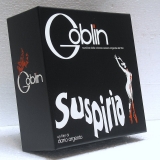
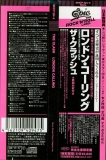

Featured Releases (A selection of...)
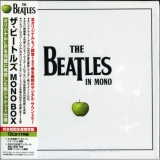 TOCP-71041 : 2009-09-09 Published by EMI Music Japan. This box is a little larger than the non-Japanese version as it contains additional printed material. |
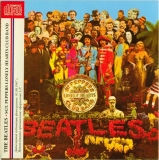 VC 04-17 : 2002-01-01 Russian mini LP of the 1967 album from the Fab Four. Nice reproduction including a full black CD replica of the original vinyl disc. |
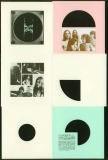 Die Cut Covers : Die cutting of the cover image or inserts is probably the most common technique employed to create gimmick covers. It's probably also in most cases the cheapest. There are thousands of die cut covers. Here are a few of the more popular and best known releases. |
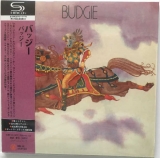
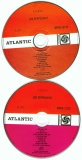
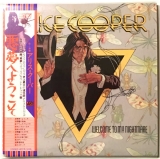 WPCR-14306 : 2012-01-18 Warner Music Japan : Cardboard sleeve (mini LP) reissue from Alice Cooper featuring the high-fidelity SHM-CD format (compatible with standard CD players) and 2011 remastering. The cardboard sleeve features single E-type jacket with an inner bag and ATLANTIC green/orange label. Comes with a description and lyrics. Part of a twelve-album Alice Cooper SHM-CD cardboard sleeve reissue series featuring albums "Pretties For You," "Easy Action," "Love It To Death," "Killer," "Schools's Out," "Billion Dollar Babies," "Muscle Of Love," "Welcome To My Nightmare," "Goes To Hell," "Lace And Whiskey," "The Alice Cooper Show," and "From The Inside." |
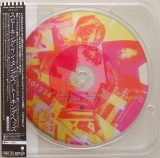 WPCR-13295 : 2009-01-14 Fifth studio album, featuring Talking Heads only US Top Ten hit, Burning Down The House (including an alternative version as a bonus, and an unfinished outtake of Two Note Swivel). This version is a reproduction of the limited edition clear vinyl version designed by artist Robert Rauschenberg, who won a Grammy Award for his work. |
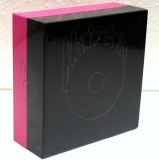 DU-BOX075 : 2006-04-06 Two titles only (CTCD-541 and 542) - may have been a Captain Trip box? Can hold up to 8? CDs. |